You know the type. The first thing they ask is: “how much is this going to cost?”
And you know what to expect while you’re working the case, too:
- Lots of calls, emails, and texts
- Even more questions about pricing
- Resistance and pushback when you give advice
The truth is, these clients are often frustrating to work with. They ask a lot of questions. They ghost you mid-case. They question your legal competence.
But there’s more to them than you might expect.
We dug into the data to uncover the best strategies for working with price-sensitive clients.
Where we got the data
Each year, InfoTrack publishes the Actual client experience (ACE) report, a data-driven snapshot of what it’s actually like to be a legal client. Unlike most industry surveys that ask lawyers about lawyers, the ACE report flips the script.
We connect with over 1,000 real people who worked with a law firm or legal aid group in the past 12 months and ask:
What was it like?
What worked?
What didn’t?
The answers are revealing — and, at times, uncomfortable.
Here’s what the most recent data tells us about cost-conscious legal clients.
#1. They’re not cheap — they’re overwhelmed and under-informed
Cost-first clients aren’t trying to be difficult. They’re just navigating a legal system they don’t fully understand.
The data shows these clients have the lowest legal literacy of any group.
When asked what type of case they had, seven percent didn’t even know whether the matter was civil or criminal. Many rated their case as both “very simple” and “somewhat complex” — a clear signal of confusion about what legal work actually entails.
What to do about it
One of the most effective things you can do for these folks is simple: avoid legal jargon.
Spell things out, and not just the what, but the why. When you tell them what’s happening, connect it back to their goals.
“We’re filing this response so the judge understands your side of things and is more likely to deny the other side’s request” is more powerful than “We’ll draft the opposition.”
#2. Missed deadlines aren’t defiance
These people aren’t trying to make your job harder.
They’re trying to find clarity in the middle of a crisis.
When you ask for a document or form and don’t hear back, the issue is probably fear or confusion, not laziness.
Cost-conscious clients are more likely to delay their own cases. It’s not because they don’t care. They do. They’re just overwhelmed.
What to do about it
Break your requests into smaller, clearer pieces. Use intake or follow-up forms with brief notes that explain the purpose of each field (e.g. “We need this to verify income for the court”).
Follow up with structured reminders, and don’t be afraid to rephrase the request if you sense hesitation.
#3. To them, silence = abandonment
According to the data, cost-conscious clients were more likely to say they wanted more communication — even more than those who explicitly prioritized communication in choosing an attorney.
This is one of the clearest gaps in expectation vs. delivery.
What to do about it
Build a rhythm of check-ins.
You don’t have to spend hours on the phone. Even a simple weekly email or automated update can reassure them that progress is being made.
The goal isn’t just frequency; it’s consistency and transparency. Show them what’s happening, even if nothing major has changed.
#4. They want help, not homework
Do your clients want to be involved in their own case, or do they want to hand it over to you and let things happen?
The data shows mixed opinions.
Some cost-conscious clients want to be deeply involved in the legal process. Others want as little involvement as possible.
They might even change their mind as the case progresses.
The through-line is that they’re unsure what’s expected of them or what they should be doing.
What to do about it
Clarify their role early on.
Ask how involved they want to be, then set boundaries that align with your workflow, like “I’ll send updates each Friday. No need to call midweek unless something urgent comes up.”
This simple strategy helps your clients feel empowered without letting expectations spiral.
#5. They expect hustle, not paperwork
The ACE report shows that cost-first clients are more likely to rate their attorney lower on legal competence — even if the representation was technically sound.
Why?
These clients tend to equate visible action with value. When legal work feels slow or overly administrative, they start to lose confidence.
What to do about it
Narrate the value behind each action.
Don’t just tell them what’s happening — connect it to the bigger picture. “This motion may seem small, but it blocks a delay tactic from the other side.”
Show how every step is part of a larger strategy.
Or, if the case is in a slower period: “We’ve served a request for documents, and the other side now has 30 days to respond. That’s standard timing at this stage.”
Even if people know that legal dramas are not an accurate representation of the litigation process, they still don’t know much beyond what they see on Law and Order. Help them see how the boring stuff really is hustle.
#6. They judge your tech skills, and it affects trust
This might surprise you: cost-conscious clients gave some of the lowest scores for their lawyers’ tech competence.
That may reflect poor experiences with budget firms.
More likely, though, it probably stems from unclear expectations. The litigation process is full of “normal” things that feel old-fashioned to your clients.
Either way, tech-related doubts bleed into broader concerns about your overall competence.
What to do about it
Use tech visibly.
In other words, don’t just rely on back-office tools and only use email with your client.
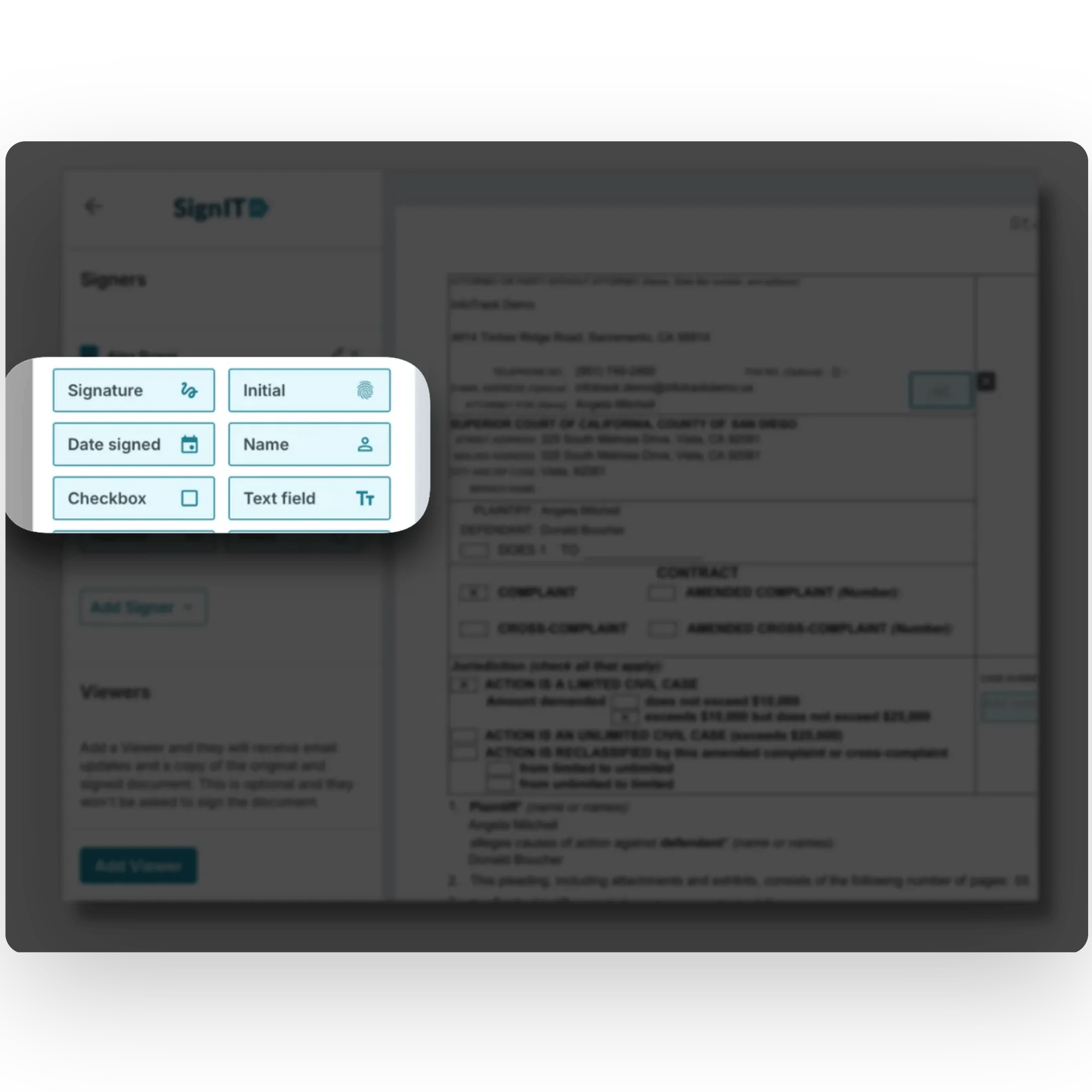
Show clients how your technology helps them. Use e-sign platforms, client portals, and visual timelines to walk them through next steps.
When you use tools that make their lives easier, you signal professionalism and save time.
#7. They’re less satisfied than other clients
This group had the lowest overall satisfaction scores in every category.
Also, they were more likely to say their case was unresolved, their lawyer didn’t communicate enough, and the result took longer than expected.
While some of that may reflect budget constraints, much of it comes down (once again) to mismatched expectations.
What to do about it
Be realistic about timelines, outcomes, and costs. Then, reinforce those expectations throughout the litigation process.
Avoid overpromising just to win the client. It will backfire.
Instead, position yourself as a trusted guide who is honest, available, and working in their best interest.
#8. If you win their trust, they’ll talk about it
Here’s the silver lining: cost-conscious clients may be some of your most loyal advocates if you manage the relationship well.
Many clients rely heavily on word-of-mouth when choosing a lawyer. If you exceed their expectations, they’re likely to refer others.
What to do about it
Close strong.
Even if the case was tough or stressful, a warm thank-you note, a post-case check-in, or a request for feedback can leave a lasting impression.
Be intentional, and you can build a steady stream of referrals from communities that trust you.
Understand them, serve them, win them
Working with cost-conscious clients isn’t always easy.
But they’re not the enemy. They’re often navigating a high-stakes situation with limited resources, little knowledge of the legal system, and a deep fear of being taken advantage of.
The ACE report shows us what those clients really think and where the legal profession may be falling short.
It also shows us how to do better.
By improving communication, using tech transparently, managing expectations, and approaching every interaction with empathy, your firm can turn cost-first clients into long-term allies.
And that doesn’t just improve your client experience. It strengthens your practice.
Author
-
Jennifer Anderson is the founder of Attorney To Author, where she helps legal professionals bring their book projects to life. She was a California attorney for nearly two decades before becoming a freelance writer, marketing/branding consultant, ghostwriter, and writing coach. Her upcoming book, Breaking Out of Writer's Block, Exercises and inspirations for getting the words out of your head and onto the page, is due out in September 2023.
View all posts