.png?width=765&height=430&name=Blog%20header%20templates%20(14).png)
On March 1, 2026, the Fresno County Superior Court suspended eFiling for 31 days while the court transitions to a new case management system. For any firm with active cases there, that could mean 31 days of scrambling to file physical submissions and a real risk of missing deadlines, potentially resulting in waived rights, sanctions, or case dismissals.
Outages like this are common when a court moves to a new system or experiences technical issues with an existing system—typically lasting a couple weeks or longer. And while an updated court filing system may be good news in the long run, the transition period can cause headaches for firms that rely on eFiling.
To prepare for an eFiling interruption, legal teams should monitor court updates, gather expert advice, and create an action plan that includes alternative filing processes for the duration of a suspension.
What happens when a court suspends eFiling?
When eFiling is suspended, courts require physical filing of all documents, and firms that rely on eFiling have to pivot to physical filing process for the suspension period. Electronic payments and court document syncing may also be impacted during a suspension.
How do I file documents when the court system is down?
During an eFiling suspension, filings will need to be mailed or hand-delivered to the court. Keep in mind that this could shorten deadlines for your team, especially if you go from eFiling with a click of a button to filing by mail. When filing by mail, other factors like the new USPS postmark rules could also impact case timelines.
How to prepare for an eFiling suspension
1. Monitor for eFiling outage announcements
Usually courts will give ample warning ahead of an eFiling disruption. It may seem obvious, but make sure you’re subscribed to court updates so you’ll be notified of upcoming outages.
If your court’s communication is spotty or slow, you can also use Google alerts to get timely notifications of court news, or subscribe to communications from local professional organizations that stay abreast of news that impacts their members.
2. Find out why the eFiling suspension is necessary
If a court is suspending eFiling while they switch to a new case management system, find out what system they're switching to so you can anticipate any changes to filing processes under the new system.
In the case of Fresno County, the Superior Court is switching their in-house system to Journal Technologies, the same one used by Riverside, Los Angeles, and Alameda counties. Given this change, you’ll know to look out for small differences in some of the formatting and possibly some of the document options.
If the outage is due to a technical issue or maintenance, check how long the outage is expected to last and build your action plan with some wiggle room in the timeline in case the issue takes longer to resolve than anticipated.
3. Map out your current filing workflow
Understand what status quo filing looks like for you and your team and identify all the areas that will be impacted by the outage. If your local court requires courtesy copy delivery, for instance, will that still be necessary when physical filing?
Map out everything that went into electronic filing, from notes to the clerk, scheduling hearings, and more and add those to your list to account for.
4. Ask the experts
When outlining a plan, get recommendations from team members or external colleagues who have the most experience with the relevant court. You may know someone who has dealt with an eFiling disruption in the past who can share their learnings with you.
Professional associations you belong to may also have some existing resources to share that can give you a framework for your action plan. The court itself may even have an FAQ to support legal professionals with questions about the interruption.
5. Rely on your eFiling service provider
When you work with a premium eFiling service provider, it’s like having a court filing expert in your back pocket. Ask your vendor what processes they have in place for clients during an eFiling disruption.
If they haven’t accounted for the need for an alternative plan during the transition, consider switching to a provider that has created stop gaps to support.
A premium, certified eFiling provider could arrange for physical filing of documents, ensure relevant court fees are paid to the clerk, and liaise with the court on your behalf, providing proactive updates as things change. Your vendor would also be able to comply with any temporary rules due to the transition and ensure as much consistency for your team as possible.
6. Create your action plan
Once you have all of the information, your action plan should clearly communicate what processes will need to change, what you’ll be doing differently, and how long the changes will last.
Timeline:
The court should provide a timeline that includes when the eFiling suspension begins and ends. The timeline could be staggered based on types of filings.
For instance, in the Fresno County Superior Court suspension, eFiling ends on one date (March 1, 2026) for civil or family court filings, and another date (March 25, 2026) for criminal court filings.
Make sure you have the correct date or dates for the types of matters your firm handles. And if your firm handles multiple case types with different outage dates, communicate this clearly to the different attorneys or teams as applicable.
What will change:
Identify every process that will be disrupted—and what processes will remain the same. Outline on a per-case basis how your team will handle workflows. Perhaps you’ll strategically pause movement on some cases to wait until eFiling returns. Or you’ll expedite movement on others to allow for the delay of physical filing.
How the new process will work:
For every process that needs to change, clearly outline every step of the new process. Don’t rely on knowledge or experience to fill in the gaps in your instructions. Instead, communicate processes in as much detail as you can, making sure no one has to wonder what they’re supposed to do.
How you’ll transition back to business as usual:
You may want to factor in some duplication of effort while the court system returns to eFiling, just in case there are technical hiccups or errors. For example, you may want to eFile and add on courtesy copy delivery as a backup for a while.
A disruption to your work processes can be frustrating, especially when you’re handling time-sensitive and detailed court filings. But with the right service provider, you should be able to stay on track and on deadline, with minimal confusion.
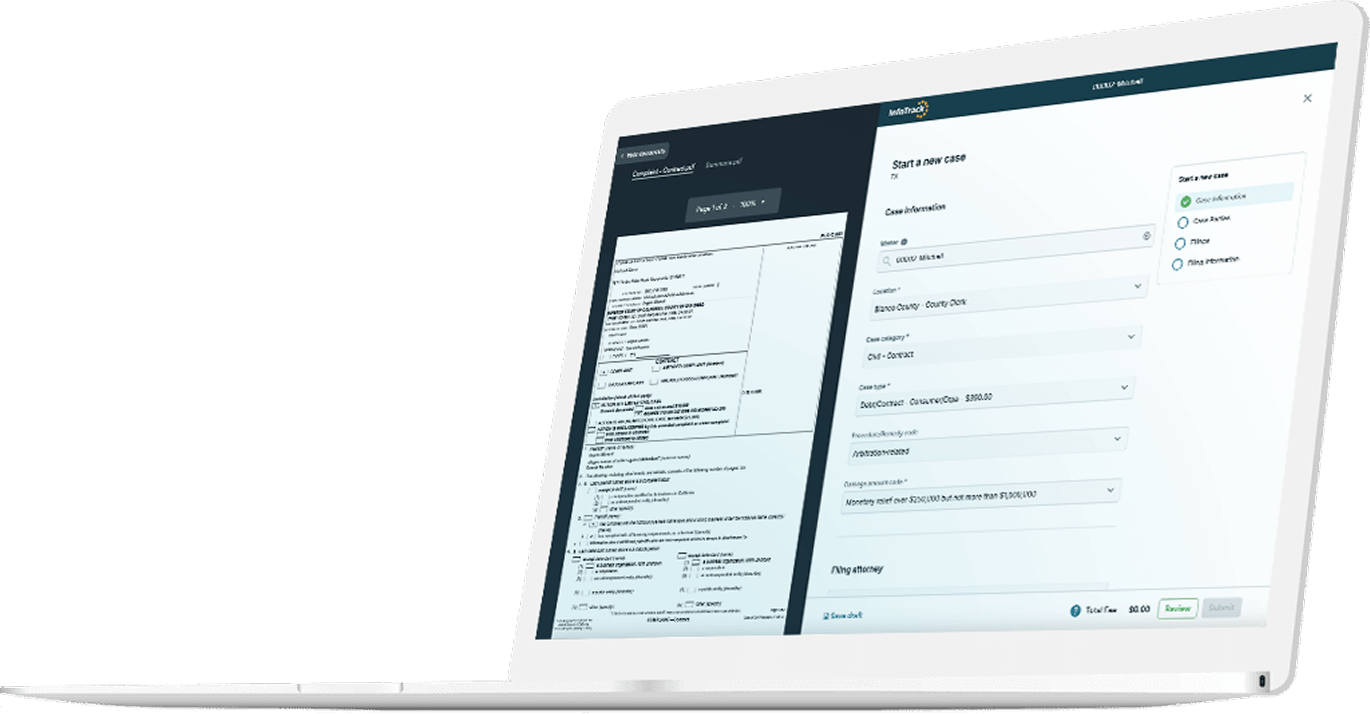
InfoTrack works hard behind the scenes to minimize the impact clients experience during a court eFiling disruption. When electronic isn’t an option, our teams print and deliver physical filings for you, and you can still track the status in real time, so you don’t have to wonder if you made the deadline. Create an account to try InfoTrack now.